93 Spo2


SpO2, also known as oxygen saturation, is a measure of the amount of oxygen-carrying hemoglobin in the blood relative to the amount of hemoglobin not carrying oxygen. The body needs there to be a certain level of oxygen in the blood or it will not function as efficiently. In fact, very low levels of SpO2 can result in very serious symptoms. The brain gets affected when the SpO2 level falls below 80-85%. Cyanosis develops when the SpO2 level drops below 65%. The normal oxygen levels in a pulse oximeter usually range from 95% to 100%. Note: Normal levels may vary if you have lung disorders. Your doctor can tell what levels are normal for you. Each hemoglobin molecule can carry a load of four oxygen atoms and SPO2 is the sum percentage of hemoglobin molecules, which are oxygen-rich. Pulse oximeters also measure and display the pulse rate while measuring the SPO2 levels. SpO2 readings are recorded in percentages. Normal levels of SpO2 rest between range of 95-100%.
Doctors will often monitor your oxygen levels. These can be monitored by using a pulse oximeter. You can monitor your own oxygen levels at home by purchasing your own pulse oximeter. Still, what is the best way of interpreting your oxygen levels? What do they mean? Here’s what to know.
What is partial pressure of arterial oxygen (PaO2)?
93 Spo2 Means
This is the most accurate oxygen level that we monitor. It’s how much oxygen is inside your arterial blood. A perfect reading would be 104. However, anything between 80-100 is considered acceptable. A PaO2 of 60-79 is considered mild hypoxemia. A PaO2 of 40-79 is considered moderate hypoxemia, and a PaO2 of less than 40 is considered severe hypoxemia.

Hypoxemia is a fancy term for a low arterial blood oxygen level. Most experts accept the PaO2 value of 60 as the baseline value we want to maintain. If COPD is causing a PaO2 of less than 60, supplemental oxygen is indicated. Usually, with COPD, all that is needed is a low flow of 2-3 LPM. This is usually all that is needed to maintain a PaO2 of 60 or better. If you want, you can read my article, 'How To Qualify For Home Oxygen Therapy?'
There is only one way to learn what your PaO2 is. It is to draw blood from one of your arteries. The artery we usually draw it from is the radial artery. This is an artery that is near the surface on the thumb side of the back of your wrist. This test is called an Arterial Blood Gas (ABG). This is an invasive blood draw.
Blood Oxygen Level Of 93
What is oxygen saturation (SpO2)?
SpO2 is another oxygen level. It’s the percentage of oxygen molecules you inhale that make it to your arterial blood. A perfectly normal value is 98%. However, anything greater than 90% is considered acceptable. For some people with COPD, doctors consider anything between 88-92% to be acceptable.
Oxygen Level Chart
This value is determined using a pulse oximeter. It’s a small, hand-held device that you slip over a finger, toe, or earlobe. You can purchase these in stores. The ones you buy for your home are usually ones that slip over your finger.
These devices can be purchased for less than $30. You can get them from online stores like Amazon. I have seen them at stores like Aldi. The trick here is that you will want to make sure the one you buy is FDA approved. This will ensure that you are getting an accurate reading.
How are pulse oximeters helpful?
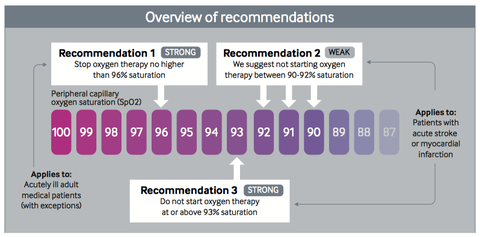

Pulse oximeters are helpful because they offer a simple, noninvasive way of determining your oxygen level. But your SpO2 level can also help determine your PaO2. This is by means of the 4-5-6-7-8-9 Rule.
It goes like this.
- 40 PaO2 equals an SpO2 of 70%
- 50 PaO2 equals an SpO2 of 80%
- 60 PaO2 equals an Spo2 of 90%
Basically, you take your SpO2 value minus 30. This gives an 'estimate' of where your PaO2 stands. By doing my own experiments, I have determined this 'estimated' PaO2 to be pretty accurate.
So, if your pulse oximeter gives you a reading of 90%, this means that your estimated PaO2 is 60. That’s right about where we want it. This is why the hospital I work for has a policy of maintaining a SpO2 of 90%. There are some exceptions that we can discuss in a future post if you want.
93 Spo2 Covid
A helpful tool
Pulse oximeters are nice. They allow you and doctors to monitor your oxygen level at pretty much any time and place. It’s simple, painless, and accurate as long as you have a pulse oximeter that is FDA approved. You should talk to your doctor about determining what SpO2 level is best for you. For most people, it’s 90% or better. However, with some people with COPD, 88% is acceptable too. To learn what oxygen levels are best for you, talk to your COPD doctor.
Article
4 Amazing Benefits of Home Oxygen Therapy
Article
The Do's and Don'ts of Using Supplemental Oxygen at Home