Normal Pulse For Adults

- What Pulse Is Normal
- Normal Blood Pressure High Heart Rate
- Normal Pulse Range For Adults
- Normal Pulse For Adults
- Normal Pulse For Adults Chart Printable
Normal arterial oxygen pressure (PaO2) measured using the arterial blood gas (ABG) test is approximately 75 to 100 millimeters of mercury (75-100 mmHg). When the level goes below 75 mmHg, the condition is generally termed as hypoxemia. Levels under 60 mmHg are considered very low and indicate the need for supplemental oxygen. The normal pulse for healthy adults ranges from 60 to 100 beats per minute. The pulse rate may fluctuate and increase with exercise, illness, injury, and emotions. Females ages 12 and older, in general, tend to have faster heart rates than do males.
The heart is an organ located just behind and slightly to the left of the breastbone, and pumps blood through a network of veins and arteries known as the circulatory system. The right atrium is sent blood from the veins, and delivers it to the right ventricle. It's then pumped into the lungs where it is oxygenated. The left atrium is sent oxygen enriched blood from the lungs and delivers it to the left ventricle, where it's then pumped throughout the body, and the ventricular contractions create blood pressure.
A pulse is the beating of the heart as it's felt through the walls of an artery, such as the radial artery at the wrist. Pulse rates can also be felt and measured at the carotid artery located on the side of the neck, the temporal artery at the temple, or the femoral artery on the anterior side of the hip, and a chart showing normal heart rate can be used to check on your heart rate.
A resting heart rate is defined as a pulse that is taken when you are calm, sitting or lying down, and the best time to measure a resting heart rate is in the morning before you leave the bed. Generally speaking, a lower heart rate functions more effectively and efficiently.
How to Take Your Heart Rate
Check your own pulse by placing the tips of your first three fingers lightly on the inside of your wrist below your thumb. You can also check your pulse by placing two fingers on your neck beside the windpipe. You may have to feel around until you feel the pulse beneath your fingers. Once you feel a pulse, use the second hand of a watch or clock to time 10 seconds while simultaneously counting your heart beats. Then multiply the number of heartbeats by 6 to get your heart rate per minute, or number of beats = ______ x 6 = ______beats/min.
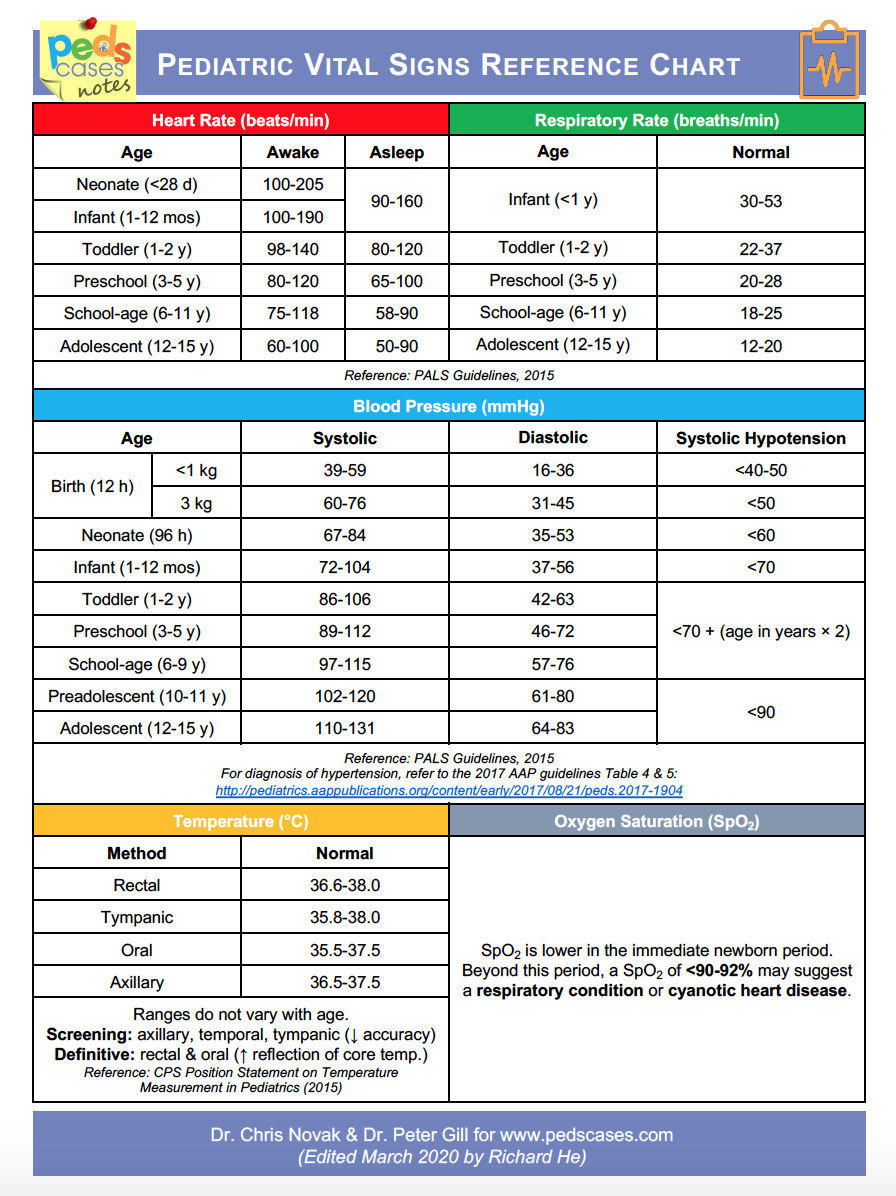
Then compare it to the normal heart rate chart below:
Age (years) | Heart Rate (beats/min) |
Less than 1 | 100 to 160 |
1 to 2 | 90 to 150 |
2 to 5 | 80 to 140 |
6 to 12 | 70 to 120 |
Greater than 12 | 60 to 100 |
Well-Trained Athletes | 40 to 60 |
Chart. 1
Chart. 2
Factors That May Affect Your Heart Rate
Normally, your heart rate should have a strong steady rhythm. However, various factors may affect your heart rate and make it different to the ranges in the normal heart rate chart above. You can seek the advice of your health care provider for any health conditions you may have that can affect your pulse. Conditions may include:
Fast Pulse:
- Exercise or activity
- Medication
- Illness or fever
- Anemia
- Heart disease
- Stimulants such as amphetamines, diet pills, caffeine, and tobacco
- Alcohol consumption
- An overactive thyroid
- Stress
What Pulse Is Normal
Slow Pulse:
- High levels of fitness
- Heart disease and medication for treatment
- Hypothyroidism (underactive thyroid gland)
- Body is at rest
Weak Pulse:
- Peripheral arterial disease (diseases of the blood vessels)
- Chronic heart disease/failure
- Possible blood clot
Your maximum heart rate is the highest heart rate that is achieved during strenuous exercise. One method to calculate your approximate maximum heart rate is the formula: 220 - (your age) = approximate maximum heart rate. For example, a 30 year old's approximate maximum heart rate is 220 - 30 = 190 beats/min.
Target heart rate: You can maximize the benefits and reduce the risks when you are exercising within your target heart rate zone. Your target heart rate when exercising is normally 60 to 80 percent of your maximum heart rate. This may be increased or decreased depending on your health factors, and your health care provider may want you to limit the target heart rate zone to 50 percent. However, it is not recommended to exceed 85 percent of your maximum heart rate. Anything above 85 percent increase risks to the orthopedic and cardiovascular system, with minimal added benefits from the exercise.
Normal Maximum and Target Heart Rate Chart
Besides a normal heart rate chart when resting, there're also normal ranges for heart rate during exercising. The following table shows the approximate target heart rates for various age groups.Find the age group closest to your age and find your target heart rate. The guidelines for moderately intense activities is about 50-69% of your maximum heart rate, and hard physical activity is about 70% to less than 90% of the maximum heart rate.
Age | Maximum Heart Rate (beats/min) | Target Heart Rate (beats/min) |
20 | 200 | 100 to 170 |
30 | 190 | 95 to 162 |
35 | 185 | 93 to 157 |
40 | 180 | 90 to 153 |
45 | 175 | 88 to 149 |
50 | 170 | 85 to 145 |
How Do You Know If You're in the Normal Zone of Target Heart Rate?
The following guideline will help you measure your heart rate to determine if you are in your target heart rate zone when you exercise.
Stop Momentarily: Measure the number of heartbeats you have for 15 seconds. Then multiply the number of beats by 4 to calculate beats per minute. For example, if you get 40 beats over 15 seconds, take 40 x 4 = 160, and if you are 30 years old, this puts you at the high end of your target heart rate. You can adjust your exercise if you are outside of the high/low target heart rate.
Click to see full answer.
Also question is, what is a dangerous heart rate?
Tachycardia refers to a fast resting heart rate, usually over 100 beats per minute. Tachycardia can be dangerous, depending on its underlying cause and on how hard the heart has to work. However, tachycardia significantly increases the risk of stroke, sudden cardiac arrest, and death.
Furthermore, is a heart rate of 120 dangerous? Well over 99 percent of the time, sinus tachycardia is perfectly normal. The increased heart rate doesn't harm the heart and doesn't require medical treatment. For example, a 10- to 15-minute brisk walk typically elevates the heart rate to 110 to 120 beats per minute.
Moreover, what is a normal pulse rate for a woman?
Normal Blood Pressure High Heart Rate
Your resting heart rateFor most healthy women, resting heart rates range from 60 to 100 beats per minute.
Normal Pulse Range For Adults
How many beats per minute is a heart attack?
Normal Pulse For Adults

Normal Pulse For Adults Chart Printable
While it's true that some areas of cardiac muscle will start to die during a heart attack because of a lack of blood, a person's pulse may become slower (bradycardic) or faster (tachycardic), depending on the type of heart attack they're experiencing (a normal heart rate is between 60 and 100 beats per minute).