Azure Rds

Installing an RDS on Windows Server appears to take many steps, but in reality is quite easy. I'd assume that you have a Domain Controller and RDS Services up and running on one or more servers. Make sure you fulfill the following requirements before publishing your RDS application to Azure. Your RDS is configured and running the RD roles. Secure and productive on Azure and Microsoft 365: Deploy a complete, intelligent solution that enhances creativity and collaboration for everyone. Shift to Microsoft 365 and get Office 365, Windows 10, and Enterprise Mobility + Security. RDS on-premises to Windows Virtual Desktop in the cloud goals.
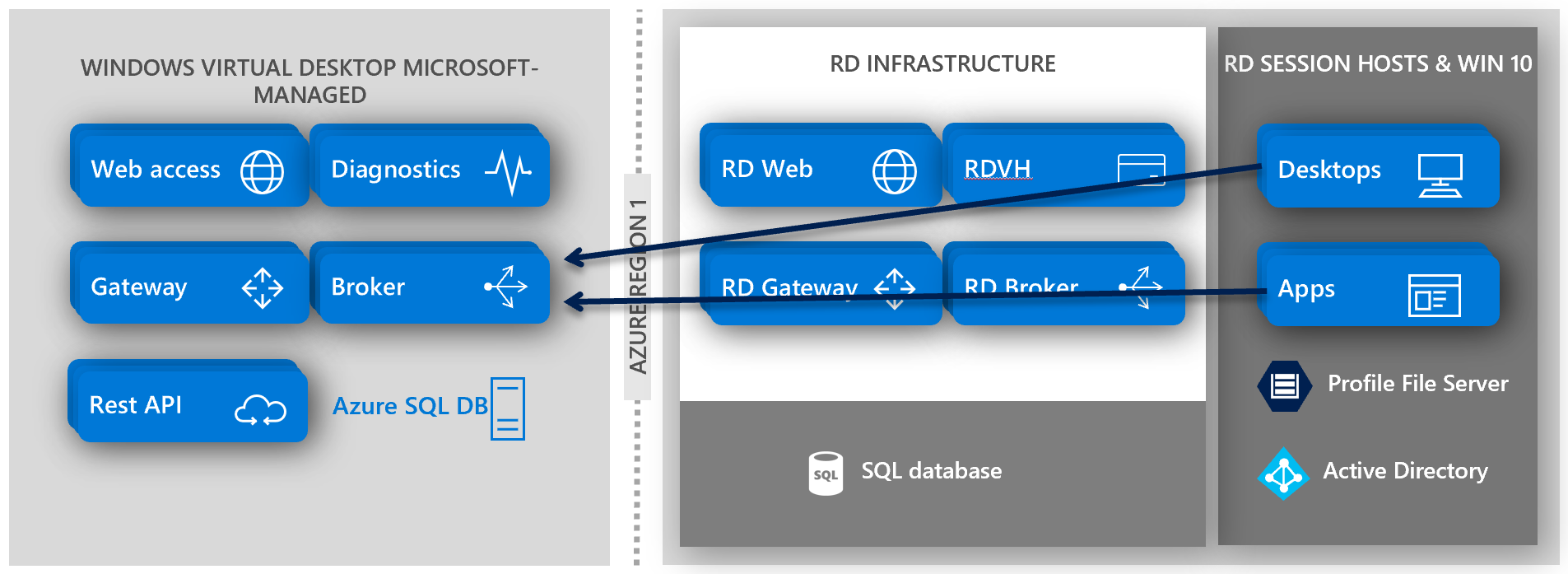
Windows Virtual Desktop combines the scale, security, and cost benefits of Azure and Microsoft 365 for a secure remote desktop from anywhere.
Remote Desktop Services (RDS) or as it was previously known, Windows Terminal Server, has been the remote access backbone protocol to Windows servers since Windows Server 2003.
The ability to remotely access and interact with the graphical user interface (GUI) on a Windows server is a critical operational function for Windows systems administrators everywhere. For this reason, every Windows server allows up to two concurrent remote desktop connections giving sysadmins the ability to login to a server remotely and manage it.
Click here to download our free ebook and learn more about the top trends for Microsoft Azure
However, this remote access and management capability can do much more for business than merely ease the burden of IT systems management. Giving users the ability to access and work on a remote machine has multiple real business benefits such as reduced costs, improved efficiencies and the option to rapidly deploy and manage advanced end-user applications.
The business benefits of Microsoft Azure RDS
1 – Delivering a single application experience
The Internet has indeed transformed the way we work and communicate. Flexibility is an underlying theme throughout the modern workplace which gives users the freedom to work on a variety of different platforms while engaged on a single task or assignment. However, there are times when users need to use a specific application which only runs on Windows. If the user is on a non-Windows device such as an Apple or Chromebook, working on a Windows-only application is just not possible.
RDS solves this problem as it allows organizations to create a unified remote desktop experience for all users. By configuring an RDS environment, businesses can give users on any platform access to use the specialized application. Also, delivering applications this way also provides standardization and eases management’s burden of making sure every user is on the latest version.
2 – Data security
Working remotely has truly transformed the occupational landscape, but it also creates data security challenges. When all users work in a single location, data security is easier as the organization has direct control over the data storage location and can manage access to the data source. However, when users are accessing data remotely, there is a risk of users copying data to their end-user devices or using public filesharing services which create a serious security risk if left unmanaged.
If organizations choose to deploy RDS as their remote work solution, this data risk is mitigated. All data is stored on servers under the direct management of the organization giving businesses the oversight and control they need over data flow and access.
3 – Processing power
In a world where processing power is increasing on an exponential scale, developers build applications which leverage the additional system resources available. After all, the greater the resources, the better the performance of the application and the more it can accomplish in less time. However, not all end-user devices are capable of running high resource intensive applications. Older devices may struggle to run applications which are CPU and memory intensive, negatively impacting the productivity of the end-user.
Because RDS is server-based, high resource intensive applications can run smoothly. In addition, having a single instance of the application to manage eases the operational burden on the IT team, and the total cost of ownership is much less. For example, if there is a need for additional hardware they can be added to a single server which costs far less than upgrading multiple end-user devices.
4 – Simplified management
Standardization is a crucial principle in IT management as it lightens the administrative burden increasing efficiency while lowering costs. Furthermore, there are real business benefits with adopting simple solutions that have fewer moving parts as these are easier to manage and cost less over time.
Deploying any solution through RDS is an answer which is both standardized and simplified. Administrators can deploy complex solutions in a single instance without the need to manage multiple operating environments. Also, any maintenance needs only to be performed once which dramatically reduces the time and increases security associated with system updates, backups and similar operational tasks.
5 – Reduced costs
Cost reduction is an overarching objective of every organization be it a commercial enterprise or a non-profit. Economic scarcity is a reality every business deals with, and cost reduction allocates more financial resources to invest in strategic initiatives which ultimately ensure the prosperity and survival of the organization.
RDS reduces the overall cost of IT infrastructure. As discussed, it does this directly by minimizing the investment needed in hardware and software and indirectly by reducing overhead costs associated with IT operations.
6 – Improved redundancy and uptime
Today’s world is dependent on online services, and any downtime has a monumental impact on both the organization and its users. Loss of revenue, loss of productivity and a negative impact on reputation are all real consequences when systems and services go down unexpectedly. To ensure optimal uptime, businesses need to invest in solutions with built-in redundancy to ensure resiliency in mitigating risks which threaten system availability.
As RDS is a server-based solution, organizations can easily configure the platform for maximum uptime by deploying multiple instances of the same RDS solution across several servers. In addition, RDS solutions are implemented in data centers which have the necessary infrastructure redundancy built-in. If a single node or service should fail, the impact will be negligible as the solution remains online and users are still able to work. Although building a redundant RDS solution does increase the overall cost, the additional expenditure is negligible when compared to the investment needed in creating redundancy for an end-user computing environment.
Azure Remote Desktop Services
Azure Remote Desktop Services takes the benefits of RDS and expands the offering by providing RDS on a global enterprise-grade cloud platform.
With the Microsoft Azure platform, organizations can rapidly deploy a cost-effective, redundant and scalable platform to host Windows desktops and applications. Deployment is further simplified with the option of Azure Marketplace offerings or quickstart templates so organizations can get their RDS platform configured and ready to use in a matter of minutes.
As Microsoft manages the underlying infrastructure, choosing to deploy RDS on Azure gives organizations the flexibility and benefits that come with a world-class Infrastructure as a Service offering. The advanced hardware, software, and networking requirements are taken care of, giving organizations the freedom to concentrate on building solutions which are relevant and add value to their business. Also, the pay-per-use model and no upfront capital expenditure makes Azure RDS an affordable option for businesses of any size looking to deploy and manage remote operating environments.
-->Windows Virtual Desktop is a comprehensive desktop and application virtualization service running in the cloud. It's the only virtual desktop infrastructure (VDI) that delivers simplified management, Windows 10 Enterprise multi-session optimizations for Microsoft 365 Apps for enterprise, and support for Remote Desktop Services (RDS) environments. Deploy and scale Windows desktops and applications on Azure in minutes, and get built-in security and compliance features.
| Migration options | Outcome |
|---|---|
| Azure Migrate | Assess and migrate on-premises RDS environments. Run workloads by using Azure Windows Virtual Desktop. Manage Windows Virtual Desktop with Windows Virtual Desktop management UX. |
Note
This article focuses on using Windows Virtual Desktop in Azure to move an on-premises RDS environment to Azure.
Business drivers
Working closely with business partners, the Contoso IT team will define the business drivers for a VDI migration to Azure. These drivers might include:
- Current environment end-of-life: A datacenter is out of capacity when it reaches the end of a lease or is closing down. Migrating to the cloud provides virtually unlimited capacity. Current software might also be reaching its end of life where it has become necessary to upgrade the software running Contoso's current VDI solution.
- Multi-session Windows 10 VDI: Provide Contoso users with the only multi-session Windows 10 desktop virtualized in the cloud that's highly scalable, up to date, and available on any device.
- Optimize for Microsoft 365 Apps for enterprise: Deliver the best Microsoft 365 Apps for enterprise experience, with multi-session virtual desktop scenarios providing the most productive virtualized experience for Contoso's users.
- Deploy and scale in minutes: Quickly virtualize and deploy modern and legacy desktop applications to the cloud in minutes with unified management in the Azure portal.
- Secure and productive on Azure and Microsoft 365: Deploy a complete, intelligent solution that enhances creativity and collaboration for everyone. Shift to Microsoft 365 and get Office 365, Windows 10, and Enterprise Mobility + Security.
RDS on-premises to Windows Virtual Desktop in the cloud goals
With the business drivers in mind, Contoso has pinned down goals for this migration:
- Modernize the virtual desktop environment for the cloud.
- Take advantage of existing Microsoft 365 licenses.
- Improve security of corporate data when users work remotely.
- Optimize the new environment for cost and growth.
These goals support the decision to use Windows Virtual Desktop and validate it as the best migration method for Contoso.
Benefits of running Windows Virtual Desktop in Azure
Using Windows Virtual Desktop in Azure, Contoso can now seamlessly run, manage, and scale its VDI solution quickly and easily. The company also can provide an optimized multi-session Windows 10 environment to its users.
Contoso will capitalize on existing Microsoft 365 licenses while using the scale, performance, security, and innovation of Azure.
Additional benefits might include:
- Access to Windows Virtual Desktop from anywhere.
- Optimized Microsoft 365 Apps for enterprise environment.
- Windows Virtual Desktop for dev/test environments.
Solutions design
After pinning down goals and requirements, Contoso designs and reviews a deployment solution and identifies the migration process.
Current architecture
RDS is deployed to an on-premises datacenter. Microsoft 365 is licensed and in use by the organization.
Proposed architecture
Sync Active Directory or Azure Active Directory Domain Services.
Deploy Windows Virtual Desktop to Azure.
Migrate on-premises RDS servers to Azure.
Convert user profile disks (UPDs) to FSLogix profile containers.
Figure 1: Proposed architecture.
Solution review

Contoso evaluates the proposed design by putting together a list of pros and cons.
| Consideration | Details |
|---|---|
| Pros | Windows 10 Enterprise multi-session environment. Cloud-based, allowing access from anywhere. Take advantage of other Azure services like Azure Files within the Windows Virtual Desktop environment. Optimized for the Microsoft modern desktop. |
| Cons | To fully optimize for Azure, Contoso will have to rebuild Windows 10 images optimized for multiuser sessions. Windows Virtual Desktop doesn't support user profile disks, so UPDs must be migrated to FSLogix profile containers. |
Migration process
Contoso will move VMs to Windows Virtual Desktop in Azure by using the Lakeside assessment tool and Azure Migrate. Contoso will need to:
Run the assessment tool against its on-premises RDS infrastructure to establish the scale of the Windows Virtual Desktop deployment in Azure.
Migrate to Windows Virtual Desktop via either Windows 10 Enterprise multi-session or persistent virtual machines.
Optimize the Windows Virtual Desktop multi-session by scaling up and down as needed to manage costs.
Onenote templates for project management. Virtualize applications and assign users as needed to continue to secure and manage the Windows Virtual Desktop environment.
Figure 2: The migration process.
Scenario steps
- Assess the current RDS environment.
- Create the VDI and new images in Azure and migrate and persist VMs to Azure.
- Convert UPDs to FSLogix profile containers.
- Replicate any persistent VMs to Azure.
Step 1: Assess the current on-premises environment

Contoso will provision the Windows Virtual Desktop service in the East US 2 Azure region. With Windows Virtual Desktop, Contoso can provision virtual machines, host pools, and create application groups. Windows Virtual Desktop also configures an availability set for all the servers in the Windows Virtual Desktop solution. Windows Virtual Desktop allows Contoso to create a high-available VDI environment and to scale up and down quickly as needed.
Note
Contoso reviewed two scenarios during the assessment: multi-session (shared) instances of RDS and persistent (or user-dedicated) virtual machines.
Make sure that domain services, either Active Directory or Azure Active Directory Domain Services, are synchronized with Azure Active Directory (Azure AD). Ensure the domain service is accessible from the Azure subscription and virtual network to be connected where Windows Virtual Desktop will be deployed.
Note
Learn more about Azure AD Connect for synchronizing Active Directory on-premises with Azure AD.
Note
Learn about provisioning Azure Active Directory Domain Services and synchronizing Azure AD to it.
Create a new Azure Migrate project.
Figure 3: Creating a new Azure Migrate project.
Select the option to assess and migrate servers, select VDI, and add a tool.
Figure 4: Target Azure Migrate goals.
Set the subscription, resource group, project name, and geography for the migrate job data.
Figure 5: Adding job data to the migration.
Important
This location isn't where the new Windows Virtual Desktop environment will be deployed. Only the data related to the Azure Migrate project will be stored here.
Select Lakeside: SysTrack as the assessment tool.
Select Azure Migrate: Server Migration as the migration tool.
Add the tools to the migration project.
Figure 6: Adding tools to the migration.
Start the assessment of the current environment by selecting Register with Azure Migrate in the Lakeside tool.
Figure 7: Assessing the current environment.
Contoso connects Azure Migrate and Lakeside, and accepts any requested permissions.
Figure 8: Connecting Azure to Lakeside.
Contoso continues with the Lakeside tool to create a new tenant and start assessing the current on-premises RDS environment. From the dashboard, Contoso can access the deployment guide, download the assessment client to deploy to the current environment, and review the data collected from these agents.
Figure 9: The Lakeside dashboard.
After an adequate amount of data is captured, Contoso reviews the assessment data to determine the best migration path. This assessment data includes the raw assessment data from the desktops data and the data broken into different user personas. This information includes the:
Number of users in each persona.
Applications in use by users.
Resource consumption by user.
Resource utilization averages by user persona.
Gmail account creator 3 0. VDI server performance data.
Concurrent user reports.
Top software packages in use.
Figure 10: Lakeside dashboard reports.
The data is analyzed by Contoso to determine the most cost-effective use of both pooled Windows Virtual Desktop resources and personal Windows Virtual Desktop resources.
Note
Contoso will also need to migrate application servers to Azure to get the company closer to the Windows Virtual Desktop environment and reduce network latency for its users.
Step 2: Create the Windows Virtual Desktop environment for pooled desktops
Using the Azure portal, Contoso will create a Windows Virtual Desktop environment to use for pooled resources. Later, it will go through the migration steps to attach personal desktops to the same environment.
Contoso selects the correct subscription, and creates a new Windows Virtual Desktop host pool.
Figure 11: A new Windows Virtual Desktop host pool.
Specify the subscription, resource group, and region. Then select the name for the host pool, desktop type, and default desktop users. Desktop type is set to Pooled because Contoso is starting with a new shared environment for some of its users. Default desktop users can be left blank. Move on to configure the virtual machines.
Figure 12: Prerequisites for configuring virtual machines.
- Contoso configures the VM and chooses a custom size by selecting Change size or using the default.
- Windows Virtual Desktop is chosen as the VM name prefix for these pooled desktops.
- Because Contoso is creating the pooled servers to use the new Windows 10 Enterprise multi-session functionality for the virtual machine settings, leave the image source set to Gallery. This option enables Contoso to select the Windows 10 Enterprise multi-session image for the VMs.
- Based on the personas of the users from the Lakeside assessment, Contoso sets the total users to 150.
- Other settings include the disk type, an Active Directory domain join UPN field, an admin password, an optional OU path to which machines are added, the virtual network, and a subnet for adding servers.
Figure 13: Configuring virtual machines.
Note
Contoso can't create a new virtual network at this step. Before reaching this step, Contoso should have already created a virtual network that has access to Active Directory.
Note
Contoso can't use a user account that requires multi-factor authentication in this step. If Contoso plans to use multi-factor authentication for its users, it will need to create a service principal for this purpose.
Contoso performs one more validation of the Windows Virtual Desktop settings, and creates the new environment of pooled Windows Virtual Desktop virtual machines.
Figure 14: Reviewing and creating virtual machines.
Step 3: Convert the UPDs to FSLogix profile containers
Because Windows Virtual Desktop doesn't support user profile disks (UPDs), Contoso needs to convert all the UPDs to FSLogix via the FSLogixMigration PowerShell module.
After Contoso imports the FSLogixMigration module, it runs the following PowerShell cmdlets to migrate from UPDs to FSLogix.
Important
The PowerShell modules for Hyper-V, Active Directory, and Pester are prerequisites to running the cmdlets to convert UPDs to FSLogix.
A UDP conversion:
A roaming profile conversion:
At this point, the migration has enabled using pooled resources with Windows 10 Enterprise multi-session. Contoso can begin to deploy the necessary applications to the users who will use Windows 10 Enterprise multi-session.
But now Contoso must migrate the persistent virtual machines to Azure.
Step 4: Replicate and persist VMs to Windows Virtual Desktop
The next step in the migration process for Contoso is to migrate its persistent virtual machines to Windows Virtual Desktop. To do this, Contoso goes back to the Azure Migrate: Server Migration job it created at the beginning of the process.
Contoso starts by selecting Discover in the Azure Migrate: Server Migration tools.
Figure 15: Discovering a server migration.
Contoso converts an appliance in its environment that's going to manage the replication of the machines to Windows Virtual Desktop. Ensure that the target region is set to
East US 2, where the Windows Virtual Desktop environment was created.Figure 16: Converting an appliance.
The replication provider is downloaded, installed, and registered to the Azure Migrate project to start the replication to Azure.
Figure 17: Prerequisites for replicating to Azure.
The replication of the hosts into Azure Blob Storage is now started. Contoso can continue to let the replication occur until it's ready to test the VMs and then migrate them into production.
- As machines start running in Azure, Contoso makes sure to install the Windows Virtual Desktop VM agent on each machine.
- As a part of the installation, enter the registration token for the Windows Virtual Desktop environment to associate the server with the correct environment.
The registration token can be obtained by using the following commands:
Note
Contoso can also automate this process by using
msiexeccommands and passing in the registration token as a variable.As the last step before the final migration, Contoso selects the Users item in the Azure Windows Virtual Desktop settings to map the servers to their respective users and groups.
Figure 18: The last step prior to the final migration.
After host pools are assigned to users, Contoso finalizes the migration of those machines and continues to gradually migrate the rest of the on-premises VDI hosts to Azure.
Review the deployment
With the virtual desktops and application servers now running in Azure, Contoso now needs to fully operationalize and secure the deployment.
Security
The Contoso security team reviews the Azure VMs to determine any security issues. To control access, the team reviews the network security groups (NSGs) for the VMs. NSGs are used to ensure that only traffic allowed to the application can reach it. The team also considers securing the data on the disk by using Azure Disk Encryption and Azure Key Vault.

For more information, see Security best practices for IaaS workloads in Azure.
Business continuity and disaster recovery
For business continuity and disaster recovery (BCDR), Contoso backs up the data on the VMs by using Azure Backup to keep data safe. For more information, see An overview of Azure VM backup.
Licensing and cost optimization
- Microsoft 365 licenses are used for the desktop deployments.
- Contoso will enable Azure Cost Management + Billing to help monitor and manage the Azure resources.
- Contoso has existing licensing for its VMs and will take advantage of the Azure Hybrid Benefit for application servers. Contoso will convert the existing Azure VMs to take advantage of this pricing.
Azure Rds Cals
Conclusion
Azure Rds Pricing
In this article, Contoso moved its RDS deployment to Windows Virtual Desktop hosted in Azure.